

What can a UFC fighter teach a room full of founders?
Your BitBakery update for July 2026

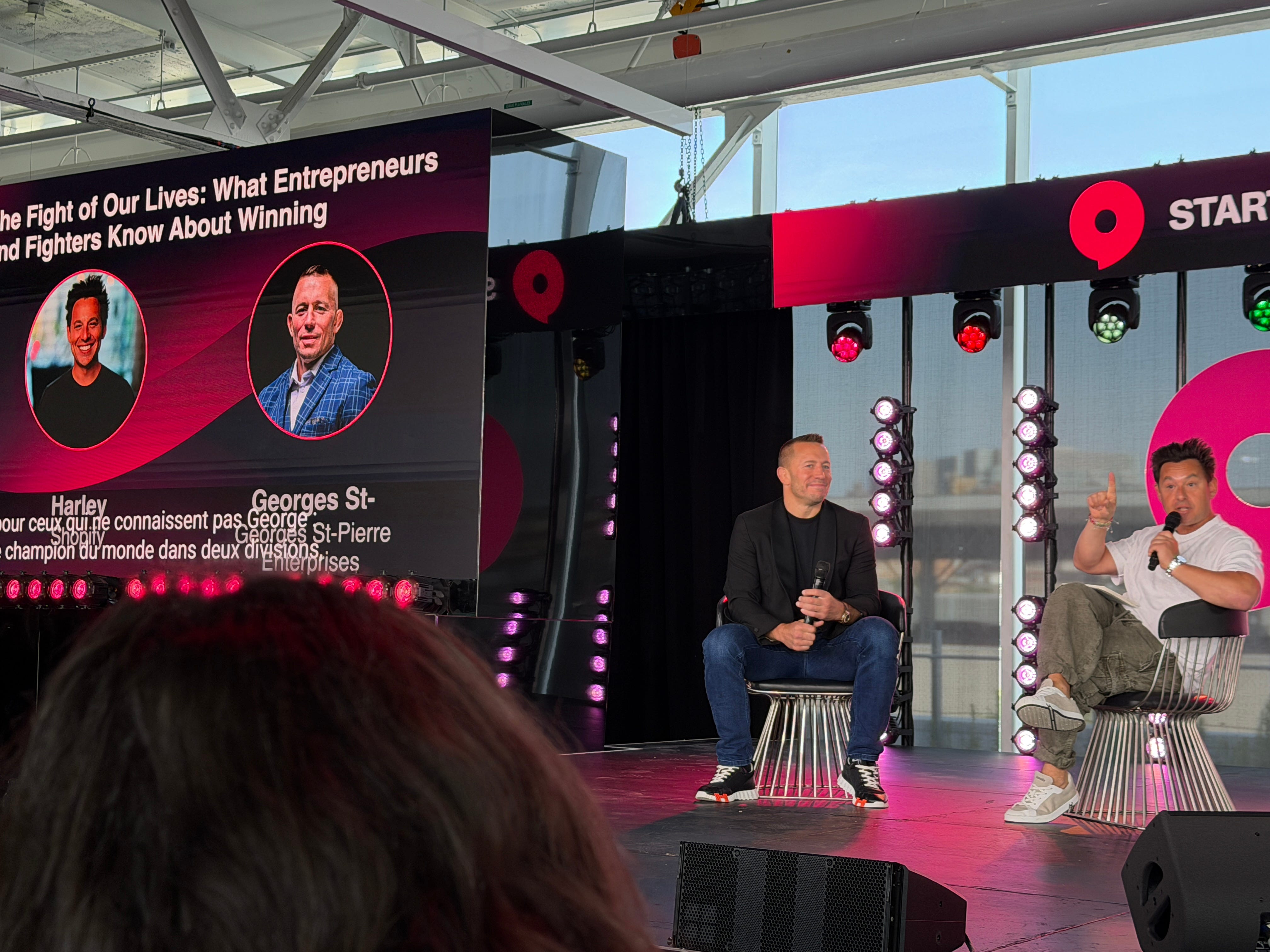
Montreal’s reputation as the festival city is well earned. From Jazz Fest to OSHEAGA to Just For Laughs, the city brings people from across Canada and around the world together like few other places can. But for me, the best festival continues to be Startupfest, and I made my way there for the festival’s sixteenth edition.
The opening keynote set the tone for the whole festival: Quebec’s own Georges St-Pierre (aka GSP), one of the greatest fighters of all time, joined Shopify president Harley Finkelstein on stage to dig into the similarities between elite athletes and entrepreneurs..
GSP had a lot of great insights, but one stood out to me (and I feel like it hit everyone in the room): “Being confident is not the absence of fear; it’s knowing that you have what you need in order to succeed.”
The fear never goes away.
Not before a title fight.
Not before an earnings call.
Not before a product launch.
What changes is the preparation. Training for a pitch competition is different from preparing to launch a new feature or product. The training may differ, but the commitment to being prepared remains the same.
Successful founders and teams aren’t fearless, they’ve just done the reps.


From prompting to agents to loops
The AI conversation at Startupfest has evolved in a way that Alistair Croll captured perfectly: “2024 was the year of prompting, 2025 was the year of agents, and 2026 is the year of loops.”
That progression matters. Prompting was about asking AI good questions. Agents were about handing AI a task and letting it work. Loops are about systems that run, evaluate their own output, and improve with humans setting direction and checking the results rather than driving every step.
You could see the shift on the floor. Investors have stopped asking “do you use AI?” because everyone does.
The questions now are about what’s defensible once everyone has the same tools. Is the revenue sticky? Does the product get better the more it runs? If your AI feature is a one-shot prompt behind a button, you’re building 2024’s product. The companies that stood out were building feedback loops into the core of what they do.
More takeaways from the Old Port
Real problems beat hype plays. Out of 275 pitches, the $100K Best of the Fest prize went to AgroGene Solutions from Moncton, New Brunswick. They’ve built software that detects hive infections in honeybees before symptoms appear. Audience favourite LymeAlert makes portable tick tests for Lyme disease. Other startups pitched turning fish waste into fertilizer or autonomous EV chargers.
Choose shock absorbers. Summit Lithium founder Amanda Hall, who has raised over $100M, shared tips on picking investors: “The best investors will be shock absorbers, not shock enhancers.” Swap “investors” for any partner you rely on — including your dev shop — and it still holds.
Hardtech wants a hero. Reaction Dynamics CEO Bachar Elzein argued Canadian hardtech needs a homegrown success story to pull more private capital off the sidelines.
Founders are done pretending. The most packed room I saw was four CEOs sharing their worst days — near-bankruptcies, payroll scares, embarrassing reply-alls. The honesty was the draw.
If you’re thinking about how to move your product from prompts to loops — or just want a second opinion on where the market is heading — hit reply.
I took a lot of notes.
— Wes
Tech news from around Waterloo Region
For Canadian femtech, women’s autonomy is part of the business model
Qubic raises $2.5 million USD to commercialize quantum signal amplifiers
The latest from our blog
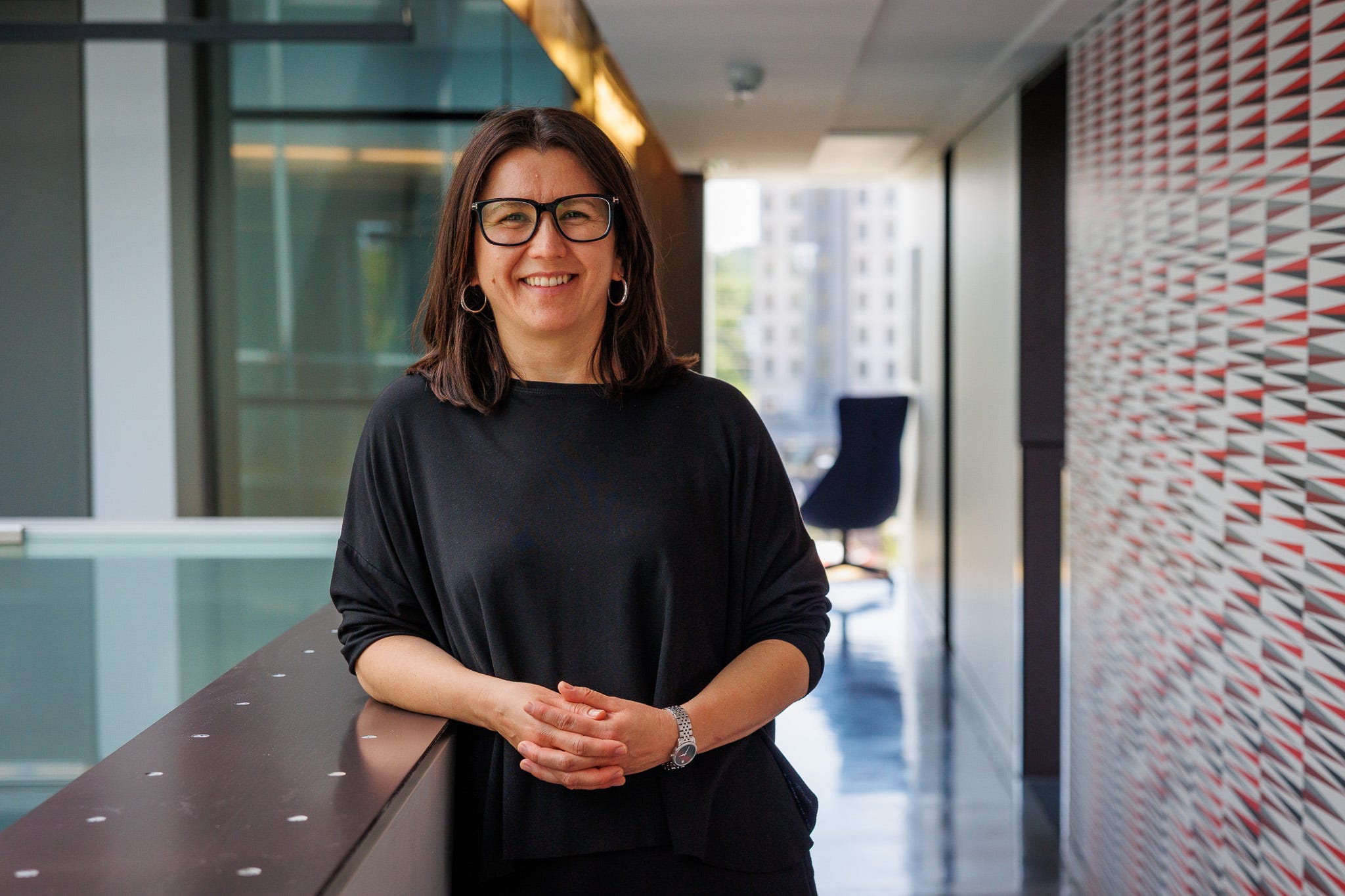
Is AI making us think less? Waterloo entrepreneur Aggie Branczyk built Mind Club to help people find the joy in doing the work. Pen-and-paper problem sets, no phones, real community. Read the full story.